

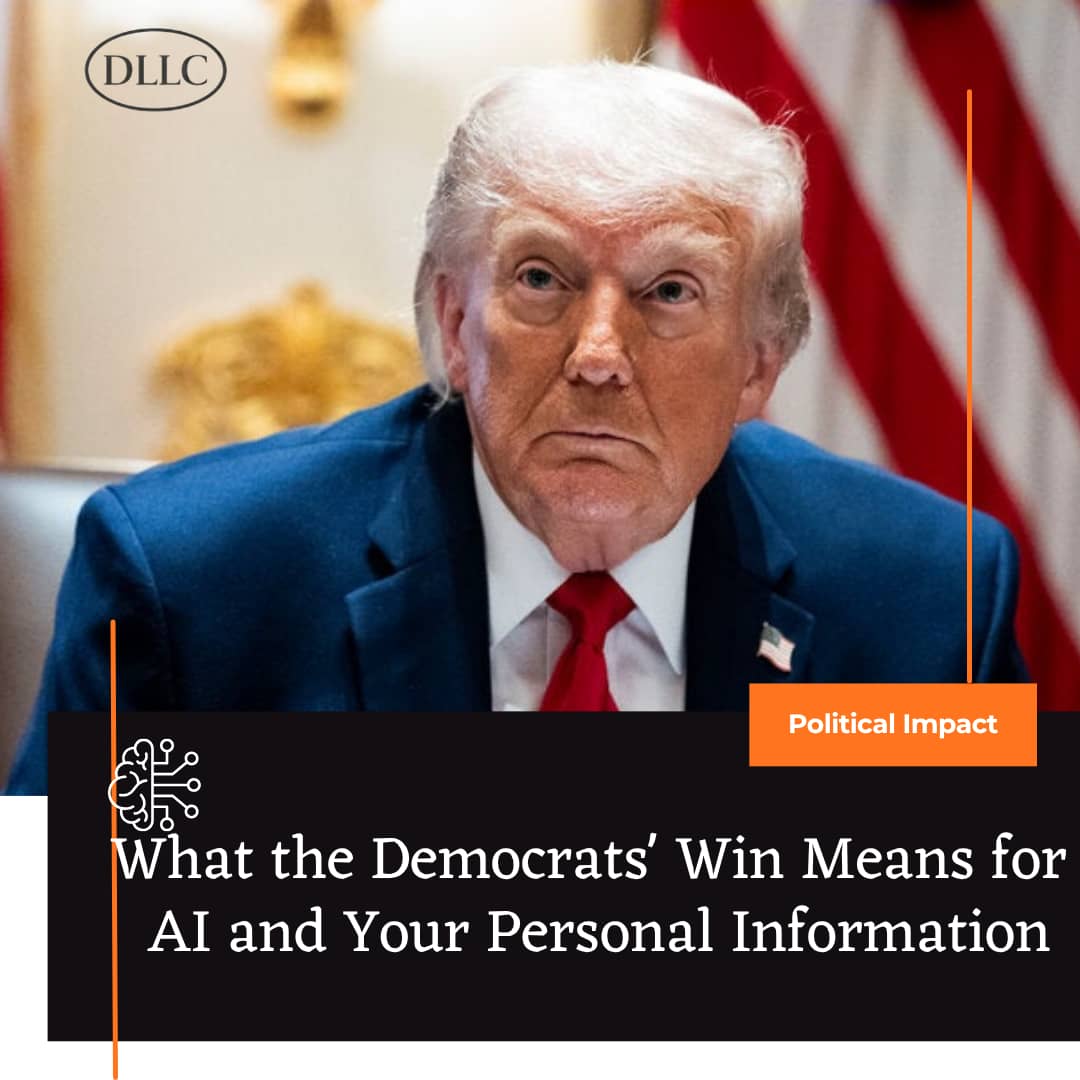
Imagine a football league where the group that writes the rulebook suddenly changes. The players are the same and the ball is the same, but the rules for the next season might look different. Something like this just happened in the United States, and it matters for AI, even if you live thousands of miles away.
What Happened
On 3 November 2026, Americans voted for members of Congress. Congress is the group that makes national laws in the US. It has two parts, the House and the Senate, and both must agree before a law can pass. News organisations are reporting that the Democratic Party has won control of both. A few races are still being counted.
Three Words to Know
- AI: computer programs that learn from huge amounts of information, so they can write, draw, translate or answer questions.
- Data privacy: your right to decide who gets to know things about you, like your name, photos, location and what you search for. Think of it as a diary with a lock.
- AI governance: the rules for how AI is built and used. It is the rule book and the referee for AI.
The Big Question: One Rule Book or Many?
In the US, each of the 50 states can make its own laws. Many states have already made rules for AI, such as limits on chatbots that talk with children. Last December, the White House asked Congress to pass one national AI rule that would override (the official word is “preempt”) many of those state rules. The argument is that 50 different rule books make life hard for companies, especially small start-ups.
Others, including many Democrats, worry that a weak national rule could wipe out tougher state protections. Think of a school with a strict classroom rule. If the school then adopts a weaker rule and cancels the classroom one, the students are less protected, not more.
What Could Change
Nobody can be sure yet. These are things experts say are possible, not promises.
- The push to override state AI rules may slow down. Analysts say Democrats are unlikely to accept a sweeping override unless it comes with strong national protections for privacy and fairness.
- More questions for tech companies. A Congress led by a different party can hold more hearings and ask AI companies to explain what their products do.
- Possible stronger safety rules for powerful AI. Senator Maria Cantwell, who is expected to lead the Senate committee that covers technology, has outlined ideas such as enforceable safety standards, regular testing, and protections for children and workers.
- Privacy back on the table. Some analysts expect any national AI rule to be tied to a national privacy law, so your personal information is protected too.
What Will Not Change Quickly
- The new Congress does not start work until January. Until then, the current rules stay in place.
- President Trump is still president, and he can say no (veto) to a bill. Most bills also need 60 votes in the Senate.
- An order from the president cannot cancel a state’s law, so state AI laws still apply. States are still acting. In recent weeks, New York signed limits on AI chatbots that talk with children, and Pennsylvania signed a law requiring AI to be disclosed in advertising.
- Rules in other places, such as the European Union’s AI Act, stay the same.
Republicans and Democrats can agree on some things too. A draft bill from one Republican and one Democrat in the House would ask the biggest AI developers to publish risk plans and be checked by auditors.
Both Sides, Fairly
People who prefer one national rule say it is simpler, cheaper for small companies, and helps their country compete. People who prefer strong state rules say states can act faster, protect children sooner, and should not lose that power to a weaker national rule. Both sides want AI that is useful and safe. They disagree about who should write the rules and how strict they should be.
Why Should Someone in Lagos, London or Lima Care?
Many of the apps and AI tools we use are made by US companies. When rules in the US change, companies may change their products for everyone, or they may not. That is why it is worth watching.
Your own country may also protect you already. Nigeria has the Nigeria Data Protection Act 2023, and Europe has GDPR. Your rights under those laws do not change because of a US election.
AI rules are like a rule book that is still being written, and you are allowed to read along.
Four Things You Can Do Today
- Think before you share photos, your address or your school online.
- Never type passwords or private details into an AI chatbot.
- Ask a parent or teacher before signing up for a new app.
- Ask: who gets my information, and why do they want it?
The Takeaway
Elections decide who writes the rules. The rules for AI and data privacy are still being written, and what is decided in Washington can ripple across the world. The more people understand them, the better those rules can be.
About the Author
Bibitayo Ojo is a certified Data Protection Officer (cDPO) with first-hand experience leading enterprise-wide data protection compliance. He has completed over 100 compliance audits, risk assessments and advisory engagements across financial services, fintech, healthcare, education, NGOs and technology firms in Africa.
Need support with data protection compliance? Contact DL Legal Consults.
This article is general information, not legal advice. It reflects reports as of 4 November 2026.
Sources
- Al Jazeera: aljazeera.com/news/2026/11/4/democrats-win-control-of-house-and-senate-key-us-midterms-takeaways
- MS NOW: ms.now/news/democrats-sweep-house-senate-2026-midterm-election
- PPC Land: ppc.land/democrats-win-congress-what-changes-for-ai-rules-privacy-and-advertising
- Biometric Update: biometricupdate.com/202604/ai-regulation-set-to-become-us-midterm-battleground
- The Democracy Renovator: democracyrenovator.com/p/what-tuesdays-winners-can-actually-do-about-ai
- White House, Executive Order 14365 (11 December 2025): whitehouse.gov/presidential-actions/2025/12/eliminating-state-law-obstruction-of-national-artificial-intelligence-policy




Leave a Reply